How Mindfulness Reduces Anxiety and Stress

Introduction
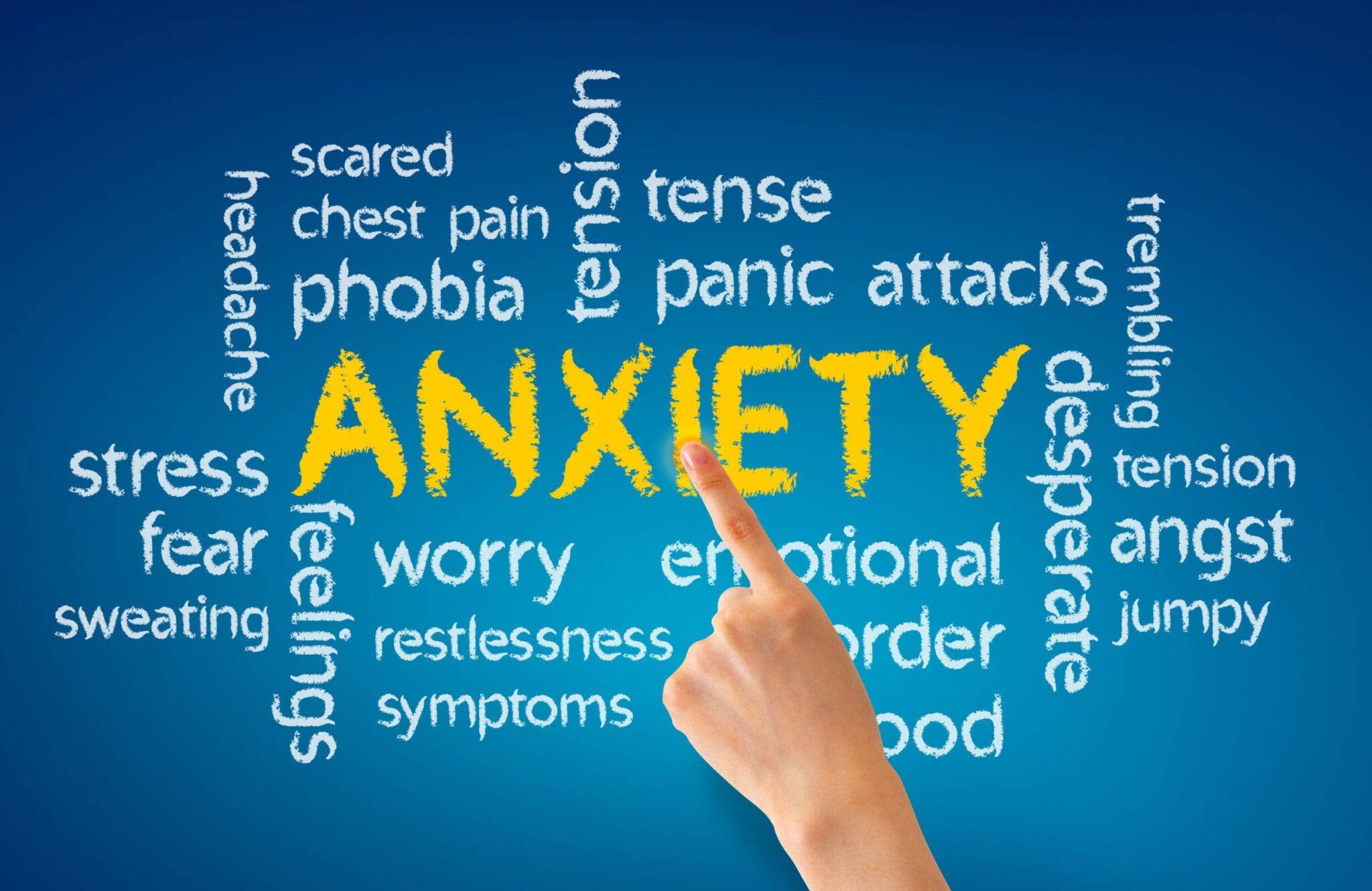
Modern life often feels overwhelming. Work pressure, financial worries, social expectations, and constant digital noise can easily trigger anxiety and stress. Many people search for simple ways to calm their minds and regain balance. One powerful approach is mindfulness for anxiety.
Mindfulness is the practice of paying attention to the present moment without judgment. Instead of worrying about the past or future, it helps you focus on what is happening right now. This shift in awareness can significantly reduce anxious thoughts and emotional tension.
In this blog, you will learn how mindfulness for anxiety works, why it helps reduce stress, and how simple mindfulness practices can improve your overall mental well-being.
Understanding How Mindfulness Helps Reduce Anxiety
Anxiety often happens when the mind becomes stuck in a cycle of worry, fear, and negative thinking. Practicing mindfulness breaks this cycle by bringing attention back to the present moment.
The Science Behind mindfulness for stress relief
Research shows that mindfulness can lower cortisol levels, the hormone responsible for stress. When people practice mindfulness for stress relief, the brain’s emotional regulation system becomes stronger.
Mindfulness activates the prefrontal cortex, which helps control emotional reactions. At the same time, it reduces activity in the amygdala, the part of the brain responsible for fear and anxiety.
Because of this, mindfulness for mental health has become widely recommended by psychologists and therapists.
How mindfulness meditation for anxiety Works
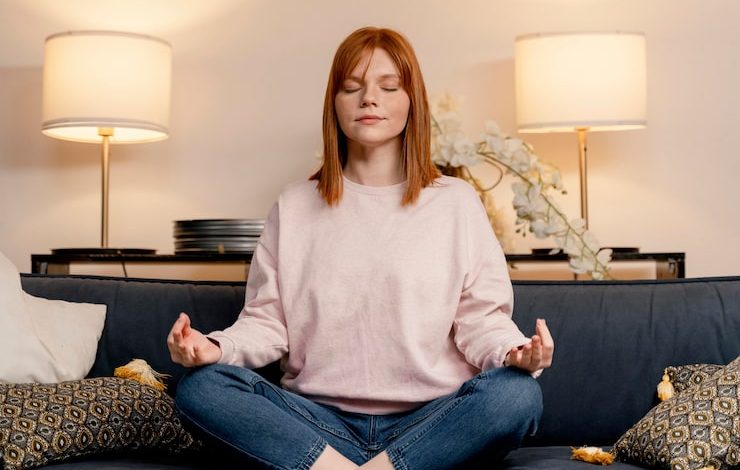
Meditation is one of the most common ways to practice mindfulness. During mindfulness meditation for anxiety, you focus on your breathing, bodily sensations, or surrounding sounds.
Instead of fighting anxious thoughts, you simply observe them and let them pass. Over time, this teaches the brain that thoughts are temporary and do not control your emotions.
This simple awareness practice helps reduce panic, tension, and overthinking.
Practical Mindfulness Techniques to Reduce Stress
Mindfulness does not require special equipment or long sessions. Even a few minutes of daily practice can make a noticeable difference.
Simple mindfulness techniques for anxiety
Here are a few beginner-friendly mindfulness techniques for anxiety you can start today:
1. Breathing Awareness
Sit comfortably and focus on your breathing. Notice the inhale and exhale without trying to control it. When your mind wanders, gently return your attention to the breath.
2. Body Scan Practice
Close your eyes and slowly bring awareness to different parts of your body. Start from your toes and move upward. This method helps release physical tension caused by stress.
3. Five-Senses Grounding Exercise
Identify five things you can see, four things you can feel, three things you can hear, two things you can smell, and one thing you can taste. This exercise instantly pulls your attention into the present moment.
These small steps act as effective mindfulness exercises for anxiety and can quickly calm racing thoughts.
Daily mindfulness practice for stress
Building a consistent mindfulness practice for stress can transform the way you handle difficult emotions.
You can practice mindfulness during everyday activities such as:
- Eating meals slowly and noticing flavors
- Taking mindful walks and observing your surroundings
- Listening carefully during conversations
- Paying attention to breathing during stressful moments
When practiced regularly, mindfulness becomes a natural way to handle pressure and emotional challenges.
Mindfulness as a Long-Term Tool for Mental Health
Beyond immediate stress relief, mindfulness supports long-term emotional well-being.
anxiety relief through mindfulness in everyday life
When practiced consistently, anxiety relief through mindfulness becomes easier because the brain develops healthier thinking patterns.
Instead of reacting impulsively to stressful situations, mindfulness creates a pause between stimulus and response. This pause allows you to choose a calmer, more thoughtful reaction.
Over time, people report feeling more balanced, patient, and emotionally resilient.
Therapeutic Benefits of mindfulness therapy techniques
Many therapists now include mindfulness therapy techniques in treatments for anxiety, depression, and trauma. These techniques are often used in approaches such as Mindfulness-Based Stress Reduction (MBSR) and Mindfulness-Based Cognitive Therapy (MBCT).
These therapies combine mindfulness practices with psychological strategies to help individuals:
- Recognize negative thinking patterns
- Reduce emotional reactivity
- Develop healthier coping skills
Because of its effectiveness, mindfulness for mental health is widely supported by mental health professionals and research institutions.
Conclusion
Stress and anxiety are common experiences in today’s fast-paced world, but they do not have to control your life. Practicing mindfulness for anxiety helps you slow down, focus on the present moment, and develop a healthier relationship with your thoughts.
Through simple techniques like breathing awareness, meditation, and grounding exercises, mindfulness can provide powerful anxiety relief through mindfulness while also supporting long-term emotional balance.
By building a consistent mindfulness practice for stress, you can improve mental clarity, emotional resilience, and overall well-being. Even a few minutes a day can help you feel calmer, more focused, and more in control of your mind.