Mental Health Myths vs Facts


Introduction
Mental health myths are widespread and can prevent people from seeking help or understanding mental well-being accurately. Misconceptions about mental illness often lead to stigma around mental health and hinder mental health awareness. In this blog, we’ll separate fact from fiction, explore common mental health misconceptions, and provide a clear mental health reality check. By reading this, you’ll gain better mental health knowledge and learn how to spot mental health misinformation in everyday life.
Common Mental Health Myths and Misconceptions
Many people unknowingly believe in mental illness myths, which can negatively impact their attitudes toward themselves and others.
Myth 1: Mental Illness Is a Sign of Weakness
One of the most pervasive mental health myths in society is that experiencing mental health challenges indicates personal weakness. In reality, mental illnesses are medical conditions influenced by genetics, environment, and life experiences. Understanding this helps reduce the stigma around mental health and promotes mental health education.
Myth 2: Mental Health Problems Are Rare
A mental health reality check shows that conditions like depression, anxiety, and bipolar disorder are more common than many think. Believing otherwise can prevent people from seeking help or recognizing symptoms in themselves or others. Accessing mental health facts ensures people understand the prevalence and importance of support.
Myth 3: Therapy Is Only for Severe Cases
Another common misconception is that therapy or counseling is only necessary for extreme mental health struggles. In truth, therapy benefits anyone facing stress, anxiety, or coping with mental health challenges. Awareness of mental health truths vs myths encourages proactive care.
Debunking Myths About Specific Mental Illnesses
Certain conditions like depression and anxiety are surrounded by myths that often distort reality.
Myths About Depression
Some believe that myths about depression suggest people can “just snap out of it” or that it’s only about feeling sad. In reality, depression involves complex chemical, psychological, and social factors. Recognizing this truth is vital for understanding mental health and supporting others effectively.
Myths About Anxiety
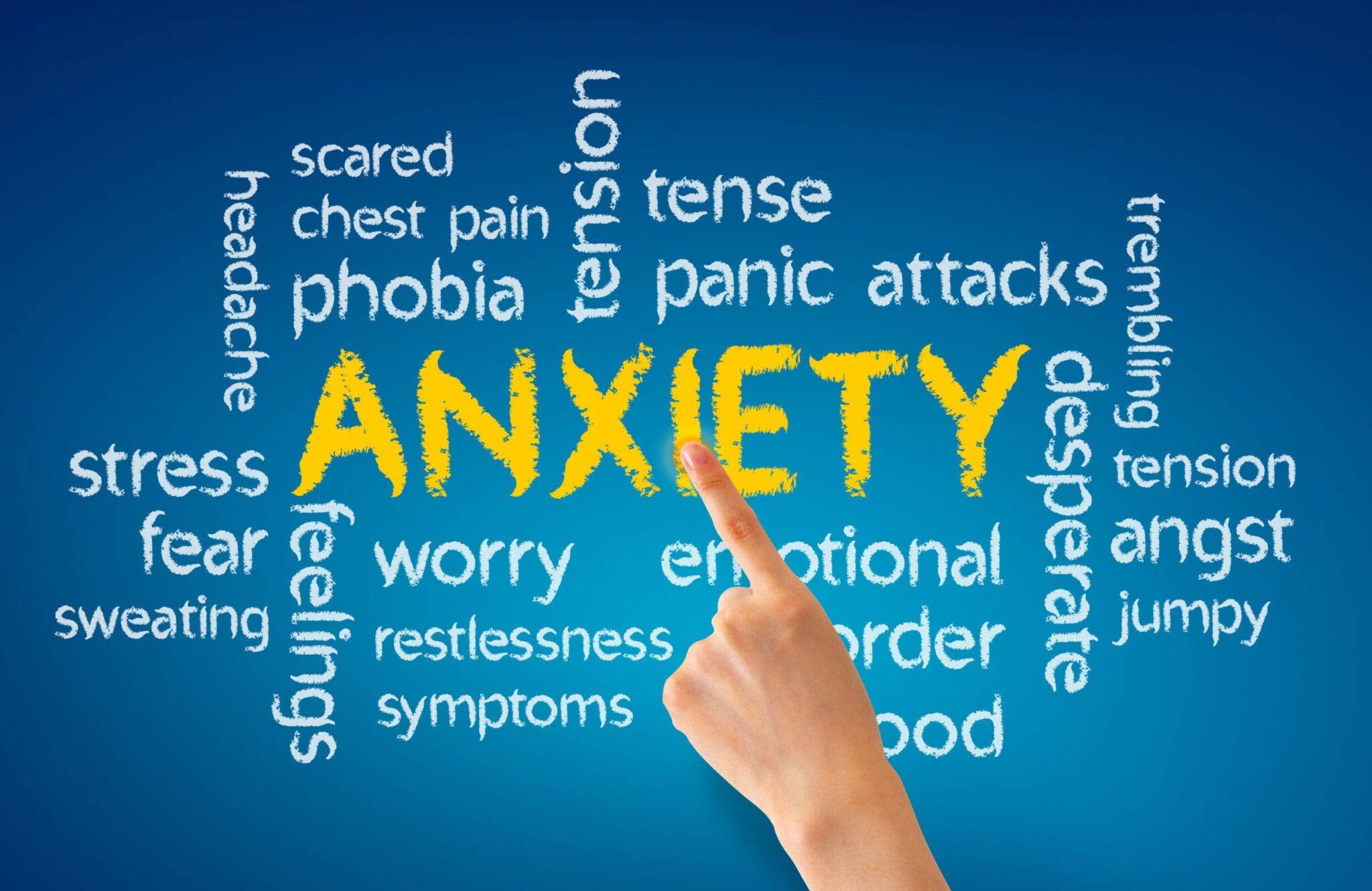
Myths about anxiety include ideas like anxious people are “overreacting” or weak. The reality is that anxiety disorders are legitimate conditions that can significantly impact daily life. Promoting mental health education helps debunk these false beliefs and improves mental health knowledge.
Other Mental Health Misconceptions
Beyond depression and anxiety, there are common mental health misconceptions about disorders like bipolar disorder, PTSD, and schizophrenia. Addressing these myths ensures society is more informed and compassionate, supporting mental health awareness initiatives.
Why Debunking Mental Health Myths Matters
Correcting false beliefs is essential for individual and societal well-being.
Reducing Stigma Around Mental Health
Debunking mental health myths reduces the stigma around mental health, making it easier for people to seek help without fear of judgment. Open discussions based on mental health facts encourage empathy and acceptance.
Encouraging Mental Health Education
Promoting mental health education combats mental health misinformation. Accurate information helps people distinguish between myths and realities, fostering better understanding and mental health communication.
Supporting Overall Mental Health Awareness
Awareness of mental health truths vs myths empowers communities to provide support and resources for those in need. By addressing mental health myths in society, we create an environment where seeking help is normalized, and emotional well-being is prioritized.
Conclusion
Believing in mental health myths can limit understanding and prevent people from seeking the help they need. By focusing on mental health facts, debunking common mental health misconceptions, and promoting mental health education, we can create a more informed and compassionate society. Understanding the mental health reality check and spreading mental health knowledge empowers everyone to support themselves and others effectively. Breaking down myths is not just about awareness—it’s about fostering real, positive change for emotional well-being.