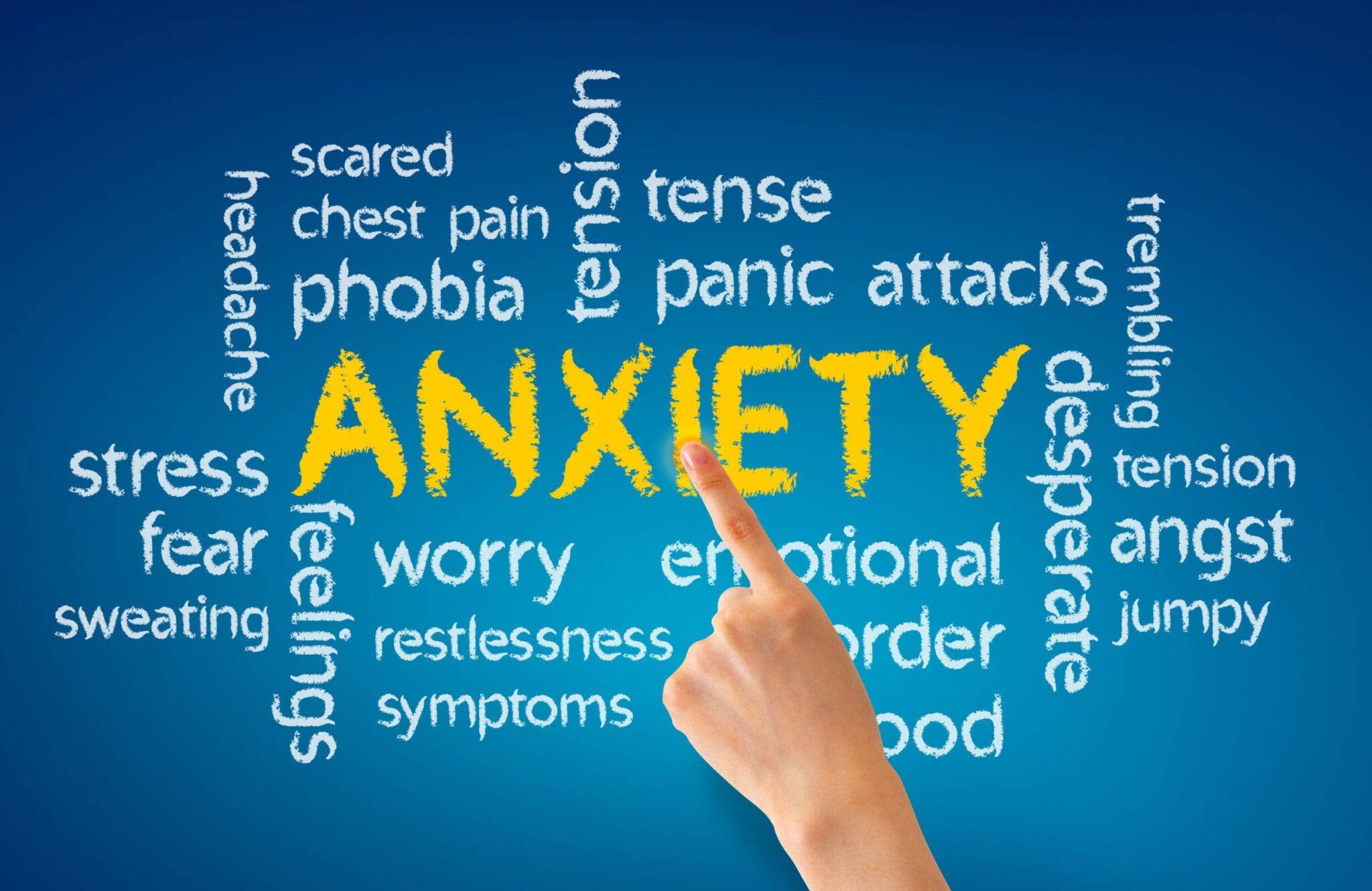
What Is Mental Health Stigma?


Introduction
When people struggle with emotional or psychological challenges, they often face more than just the condition itself—they also deal with judgment, misunderstanding, and unfair treatment from others. This is known as mental health stigma explained in simple terms. It refers to negative beliefs, attitudes, and behaviors toward people experiencing mental health conditions.
Despite growing mental health awareness, many individuals still hesitate to seek help because of the stigma around mental illness. Misconceptions, stereotypes, and lack of education continue to shape how society views mental health.
In this blog, we will explore the mental health stigma meaning, why it exists, how it affects people, and how we can promote mental health acceptance through education and advocacy.
Understanding the Meaning of Mental Health Stigma
To better understand the issue, it’s important to first explore the mental health stigma definition and how it appears in everyday life.
What Is Mental Health Stigma?
The mental health stigma meaning refers to negative attitudes, beliefs, or discrimination directed toward people who experience mental health conditions.
In simple terms, mental illness stigma occurs when people label, judge, or avoid someone because they struggle with mental health. This stigma against mental health can show up in different ways, including:
- Treating people with mental illness differently
- Assuming they are weak or dangerous
- Avoiding conversations about mental health
- Blaming individuals for their condition
These harmful attitudes make it harder for people to seek help and openly discuss their experiences.
Types of Mental Health Stigma
Experts often describe several forms of mental health stigma that affect individuals and communities.
Public stigma happens when society holds negative beliefs about mental illness.
Self-stigma occurs when individuals internalize these beliefs and feel shame about their condition.
Structural stigma involves policies or systems that unintentionally disadvantage people with mental health conditions.
Understanding these types is a key part of understanding mental health stigma and recognizing how deeply it can impact people’s lives.
Common Stereotypes and Misconceptions About Mental Illness
One of the main reasons mental illness stigma continues to exist is the spread of inaccurate beliefs and mental health stereotypes.
Harmful Mental Health Stereotypes
Many people still believe myths about mental illness, such as:
- People with mental illness are dangerous
- Mental health problems are a sign of weakness
- Therapy is only for “serious” cases
- People should just “snap out of it”
These mental health stereotypes create barriers that prevent individuals from receiving support and compassion.
In reality, mental health conditions are medical issues influenced by biological, psychological, and environmental factors—just like physical illnesses.
How Stigma Affects People
The stigma around mental illness can have serious consequences for individuals and communities.
People experiencing stigma against mental health may:
- Avoid seeking professional help
- Feel isolated or misunderstood
- Experience lower self-esteem
- Face discrimination at work or school
This is why mental health education plays such a crucial role in helping people separate myths from facts and develop empathy.
Breaking the Stigma and Promoting Mental Health Acceptance
While stigma remains a challenge, positive change is happening through mental health advocacy, education, and open conversations.
The Role of Mental Health Awareness
Increasing mental health awareness helps normalize conversations about emotional well-being. When people talk openly about their experiences, it reduces fear and misinformation.
Schools, workplaces, and community organizations now invest more in mental health education programs that teach individuals how to recognize symptoms and support others.
By spreading accurate information, society can move toward reducing stigma around mental illness.
Supporting Mental Health Advocacy
Mental health advocacy encourages policies, conversations, and programs that protect and support individuals experiencing mental health challenges.
Advocates work to:
- Promote access to mental health care
- Encourage respectful language
- Challenge harmful stereotypes
- Create supportive environments in schools and workplaces
Everyday actions also matter. Listening without judgment, showing empathy, and sharing reliable information can contribute to breaking mental health stigma.
Encouraging Mental Health Acceptance
True progress happens when communities move beyond awareness and embrace mental health acceptance.
This means recognizing that mental health struggles are a normal part of being human and that seeking help is a sign of strength, not weakness.
Supporting friends, family members, and colleagues who may be struggling helps create a culture where people feel safe discussing mental health openly.
Conclusion
Understanding mental health stigma explained helps us recognize why many individuals feel afraid to talk about their struggles. The stigma around mental illness is rooted in misconceptions, stereotypes, and lack of education, but it can be challenged through awareness and compassion.
By learning the true mental health stigma meaning, promoting mental health education, and supporting mental health advocacy, we can work toward reducing stigma around mental illness. Creating a culture of empathy and mental health acceptance allows more people to seek help without fear of judgment.
Every conversation, every act of understanding, and every effort toward breaking mental health stigma helps build a healthier and more supportive society.